
Azelaic acid isn’t loud.
It doesn’t tingle.
It doesn’t promise overnight miracles.
And that’s exactly why it’s becoming one of the most searched and recommended skincare ingredients right now.
If you’ve struggled with redness, texture, breakouts, or post-acne marks — but your skin doesn’t tolerate harsh actives — azelaic acid might be the ingredient your routine has been missing.
This is your complete guide to the best azelaic acid products — what they do, who they’re for, and which formulas are actually worth buying.
Why Azelaic Acid Is Everywhere Right Now
Azelaic acid has quietly moved from dermatologist offices into everyday skincare routines — and for good reason.
Unlike exfoliating acids that focus on surface-level glow, azelaic acid works deeper and more gently, targeting multiple skin concerns at once without compromising the skin barrier.
It’s especially popular because it:
- Helps calm redness and inflammation
- Improves acne and congestion
- Fades post-acne marks and uneven tone
- Smooths texture over time
- Is generally well tolerated by sensitive skin
In other words, it does a lot — without drama.
What Exactly Is Azelaic Acid?
Azelaic acid is a naturally occurring acid derived from grains like wheat and barley. In skincare, it’s used in concentrations that help regulate cell turnover, reduce bacteria on the skin, and calm inflammation.
What makes it different from AHAs or BHAs is that it doesn’t aggressively exfoliate. Instead, it works gradually — improving clarity and tone without irritation.
That’s why dermatologists often recommend it for:
- Adult acne
- Rosacea-prone skin
- Sensitive or reactive skin
- Hyperpigmentation and dark spots
The Skin Benefits of Azelaic Acid
✔ Calms Redness and Sensitivity
Azelaic acid has anti-inflammatory properties, making it ideal for skin that flushes easily or reacts to stronger actives.
✔ Helps Clear Acne (Without Stripping)
It targets acne-causing bacteria while helping regulate excess oil — without drying the skin.
✔ Fades Dark Spots and Marks
With consistent use, azelaic acid helps even skin tone and soften the look of post-acne marks and pigmentation.
✔ Smooths Texture Over Time
Rather than exfoliating aggressively, it encourages healthier skin renewal gradually.
The Best Azelaic Acid Products (Editor-Approved)
Below are the best azelaic acid products based on formula quality, effectiveness, and real-world usability.
Paula’s Choice 10% Azelaic Acid Booster
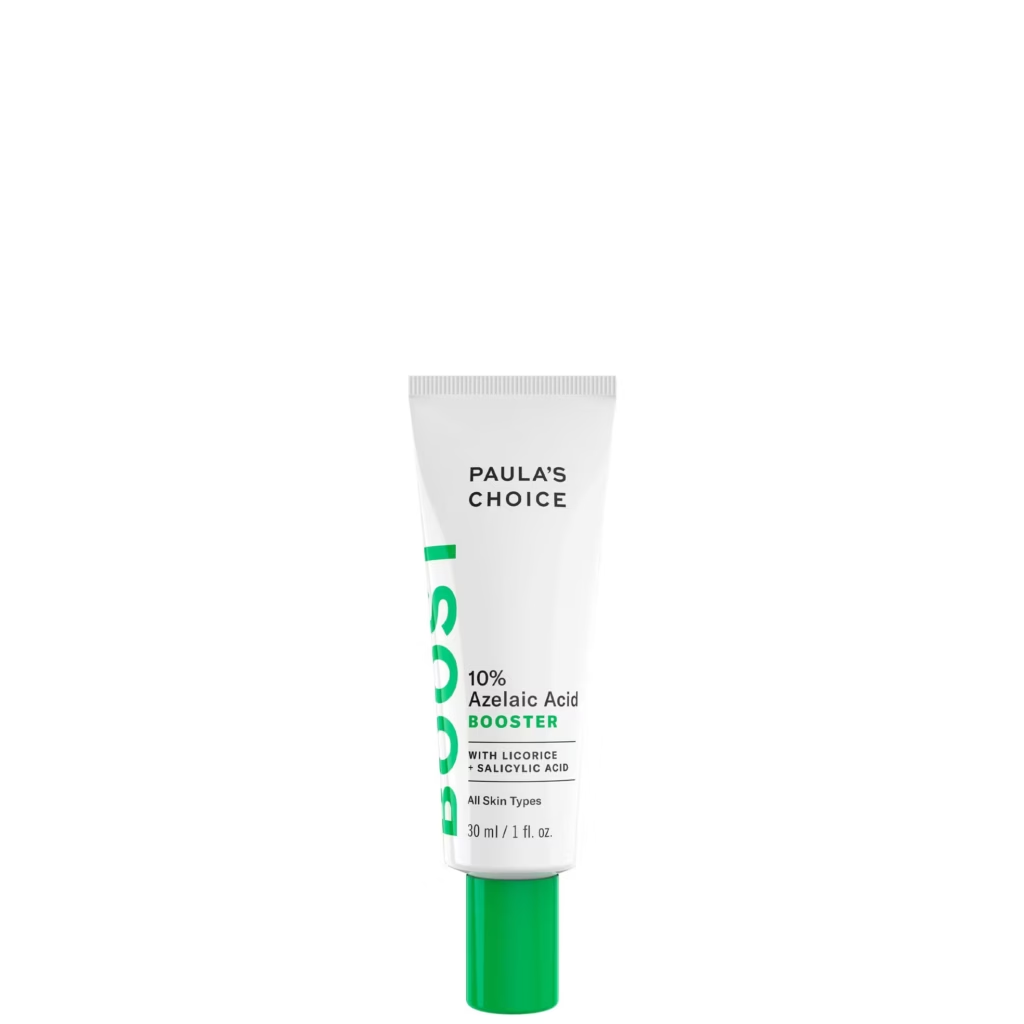
Best overall azelaic acid product
This is one of the most trusted azelaic acid formulas on the market — lightweight, effective, and beautifully formulated.
Why it stands out:
- 10% azelaic acid concentration
- Includes salicylic acid and licorice extract
- Smooths texture and brightens tone
- Can be mixed into moisturiser or used alone
Best for: acne, uneven texture, post-breakout marks
Texture: lightweight cream-gel
Affiliate note: Excellent conversion product due to brand trust
The Ordinary Azelaic Acid Suspension 10%
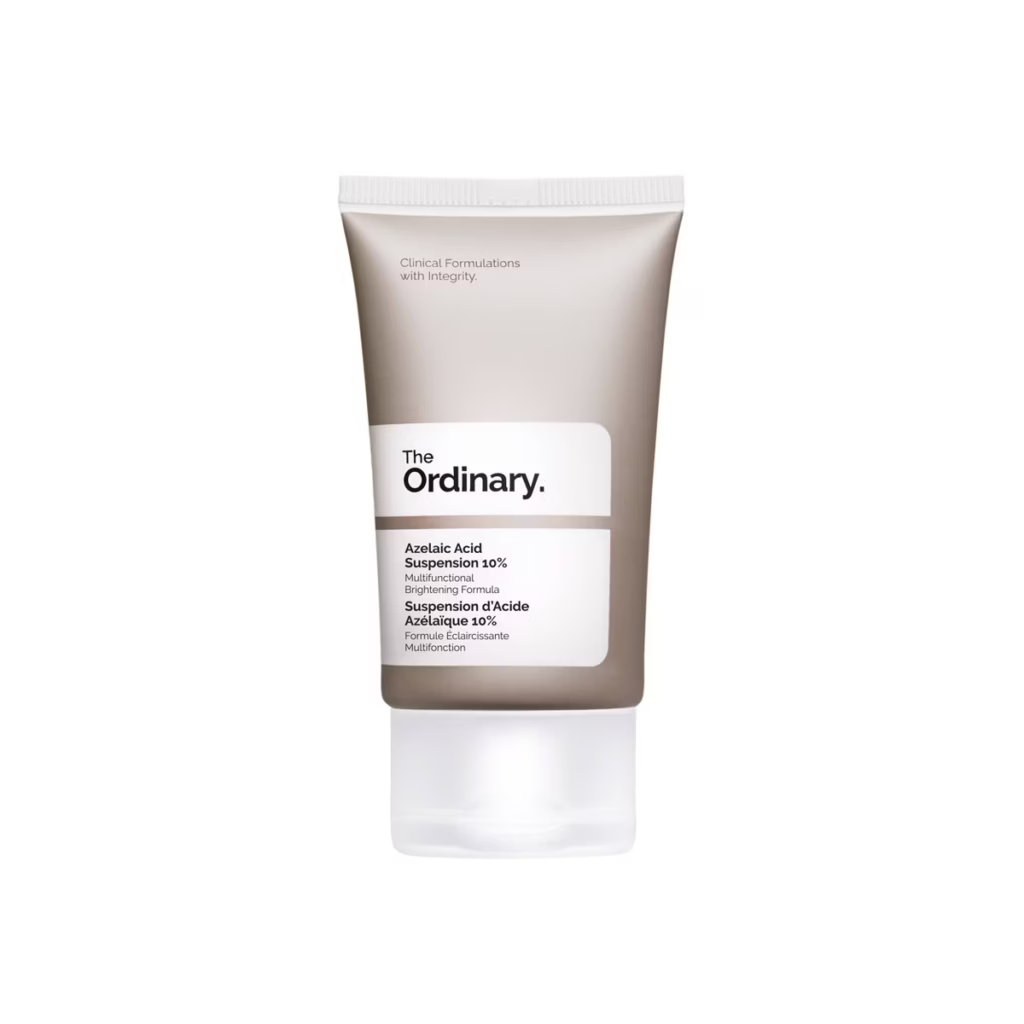
Best budget azelaic acid
Affordable and effective, this cult favourite delivers results at a low price point — making it ideal for beginners.
Why people love it:
- High concentration at a low cost
- Helps reduce redness and breakouts
- Great introduction to azelaic acid
Things to note:
The texture is thicker and more silicone-based, which some people may not love.
Best for: beginners, budget shoppers
Texture: matte cream
Naturium Azelaic Topical Acid 10%
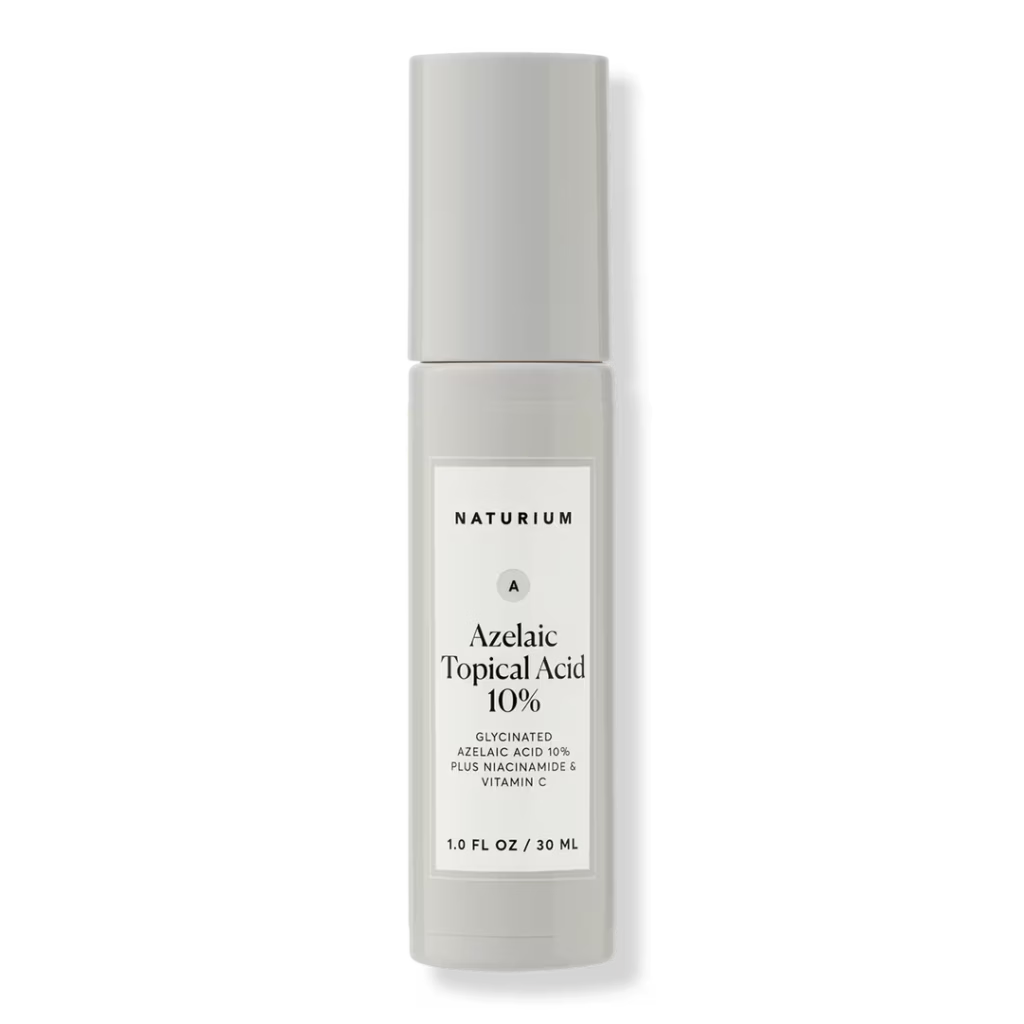
Best for sensitive skin
This formula is designed for daily use and feels more like a serum than a treatment.
Why it’s a standout:
- Azelaic acid + niacinamide + vitamin C derivatives
- Gentle, soothing, and hydrating
- Layers beautifully under moisturiser and SPF
Best for: redness-prone or sensitive skin
Texture: lightweight serum
Drunk Elephant Azelaic Acid Serum
Best luxury azelaic acid option
A polished, skin-barrier-friendly formula that fits seamlessly into a minimalist routine.
Why it works:
- Azelaic acid combined with soothing antioxidants
- No fragrance or essential oils
- Elegant texture and packaging
Best for: sensitive skin with texture or dullness
Texture: silky serum
How to Use Azelaic Acid in Your Routine
Azelaic acid is flexible — but placement matters.
Morning Routine
- Gentle cleanser
- Azelaic acid (thin layer)
- Moisturiser
- SPF (essential)
Evening Routine
- Cleanser
- Azelaic acid
- Hydrating serum (optional)
- Moisturizer
Pro tip:
Azelaic acid pairs well with:
- Niacinamide
- Hyaluronic acid
- Vitamin C (gentle formulas)
Avoid using it at the same time as strong exfoliating acids until your skin adjusts.
How Often Should You Use Azelaic Acid?
- Beginner: every other day
- Tolerant skin: once daily
- Sensitive skin: 2–3 times per week at first
Consistency matters more than frequency.
Who Should Use Azelaic Acid?
Azelaic acid is especially beneficial if you have:
- Adult acne
- Redness or rosacea-type sensitivity
- Post-acne marks
- Uneven texture or tone
- Skin that reacts to stronger actives
It’s one of the most universally tolerated actives — which is why it continues to trend.
Common Mistakes to Avoid
- Using too much product
- Expecting overnight results
- Skipping sunscreen
- Layering with too many actives at once
Azelaic acid works quietly — give it time.
Results: What to Expect (Realistically)
- 2–3 weeks: calmer skin, less redness
- 4–6 weeks: smoother texture, fewer breakouts
- 8–12 weeks: brighter, more even tone
Slow results are stable results.
Final Thoughts
Azelaic acid is not a trend — it’s becoming a skincare essential.
If you want clearer, calmer skin without compromising your barrier, it’s one of the smartest ingredients you can add to your routine.
The products above offer options at every price point — and each one delivers results with consistency and care.
Quiet skincare. Real results.

